


Janice Winston provides an analysis of the potential risks and rewards associated with investing in Bitcoin as of Wednesday, January 21, 2026 at 11:37 PM.
Investing in Bitcoin refers to the act of purchasing and holding Bitcoin, a decentralized digital currency, with the expectation of future appreciation in value. This investment strategy has gained immense popularity since Bitcoin’s inception in 2009, as it operates on blockchain technology, enabling secure and transparent transactions. As Bitcoin’s price fluctuates significantly, understanding its investment dynamics is essential for anyone considering entering this market.
The performance of Bitcoin has displayed substantial volatility, with its price reaching an all-time high of over $64,000 in April 2021, followed by considerable declines. Despite these fluctuations, many investors are drawn to Bitcoin for several reasons, including its potential as a hedge against inflation, the growing acceptance of cryptocurrencies in mainstream finance, and the technological innovations surrounding blockchain applications.
Investing in Bitcoin is not always the best choice for every investor. It should not be viewed as a guaranteed pathway to quick profits or financial security. New investors may want to consider alternative investment avenues such as equities or bonds if they seek lower risk and more stable returns. Additionally, Bitcoin investments are not suitable for individuals who cannot tolerate significant market volatility, as the asset class can experience drastic price swings. Finally, Bitcoin is not a traditional asset; therefore, it may lack the foundational asset backing that provides security in conventional investments. The potential risks and rewards
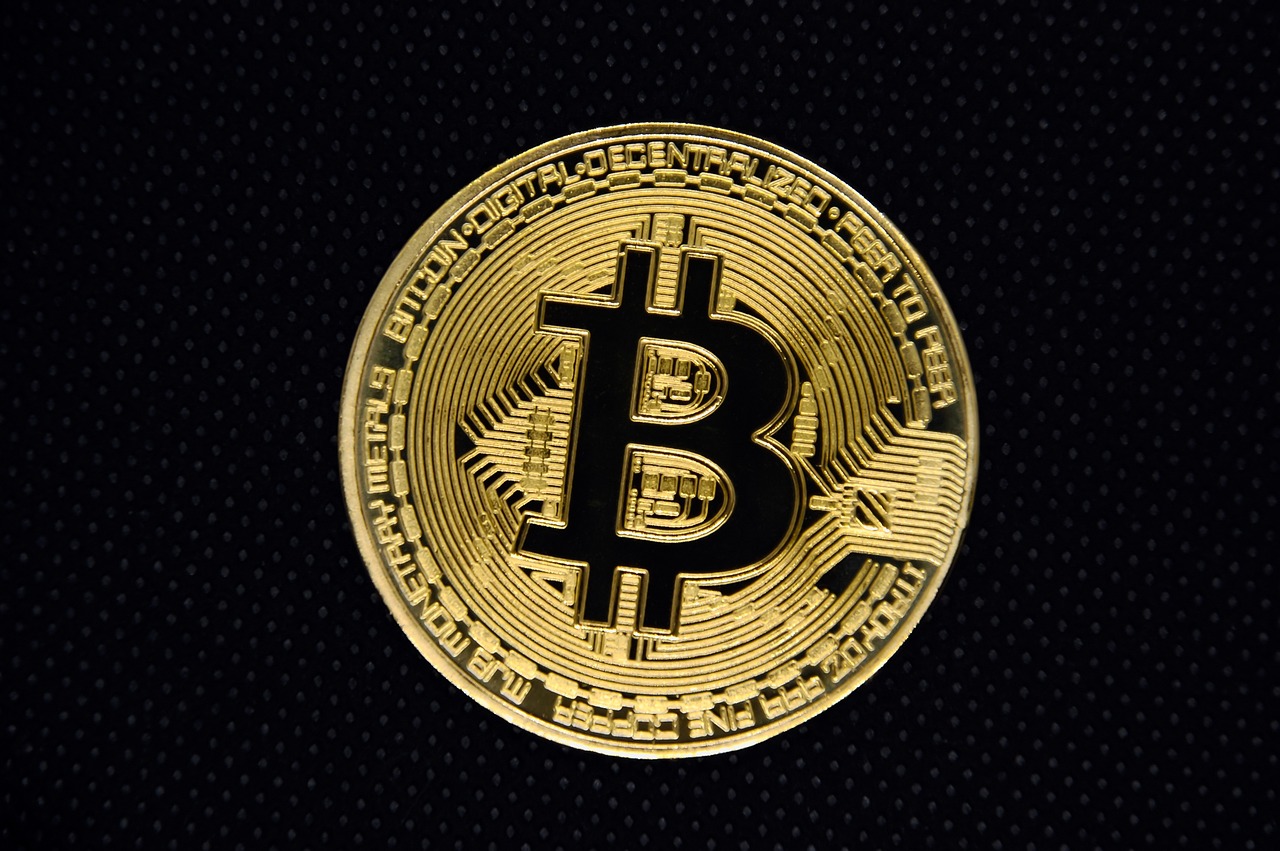
1. Define your investment goals: Determine whether your focus is long-term growth, short-term trading, or diversification.
2. Research the market: Understand the fundamentals of Bitcoin, including its technology, market trends, and historical price movements.
3. Choose a reliable exchange: Select a reputable Bitcoin exchange to buy and sell your investments.
4. Secure your investment: Use a digital wallet to store your Bitcoin securely and protect it from potential hacks.
5. Monitor your investment: Keep an eye on market conditions and Bitcoin price fluctuations to make informed decisions.
The market for Bitcoin is characterized by its unpredictability and high risk. Industry audits indicate that approximately 70% of Bitcoin investors experience substantial losses at some point in their investment journey. Furthermore, a report from a blockchain analytics firm revealed that nearly 90% of Bitcoin transactions originate from less than 5% of investors, indicating a highly concentrated market. These statistics underline the need for comprehensive research and careful consideration before committing capital to Bitcoin investments.
Investing in Bitcoin involves several tools and approaches essential for a successful strategy. Investors need to familiarize themselves with various investment platforms, wallets, and tracking tools. A well-rounded approach should also incorporate risk management strategies such as setting stop-loss orders and diversifying one’s portfolio to mitigate risks associated with Bitcoin volatility. Understanding its investment dynamics

The time commitment required for investing in Bitcoin can vary greatly. Investors who solely wish to hold Bitcoin for the long term may spend less time actively managing their investment compared to those who trade frequently. Common practice suggests that active traders might allocate several hours each week to track market movements, whereas long-term holders can adopt a more passive approach, reviewing their holdings periodically.
Failure points in Bitcoin investments are numerous and can stem from market manipulation, lack of knowledge, or emotional trading. To prevent mistakes, first-time investors should establish a clear investment strategy, remaining disciplined and avoiding impulsive reactions to market trends. Experienced investors emphasize the importance of educating oneself about market conditions to avoid common pitfalls.
To enhance confidence in Bitcoin investing, investors should engage in thorough due diligence regarding market analysis and consult with financial advisors when necessary. This practice helps reinforce one’s understanding of the market, ultimately leading to better decision-making. Purchasing and holding Bitcoin
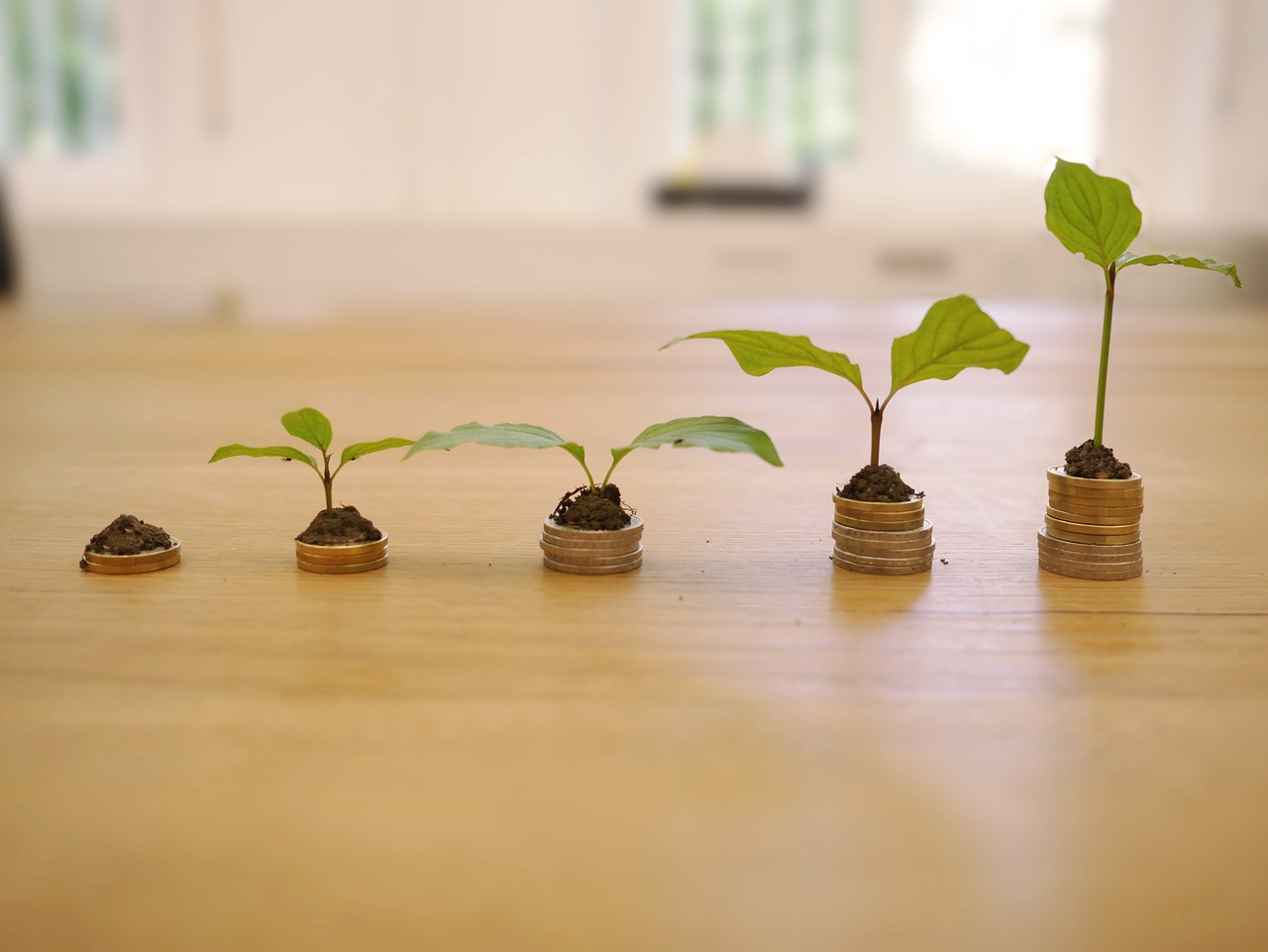
A Go/No-Go decision should be based on the level of risk you are willing to assume and how well diverse your investment portfolio is. If investing in Bitcoin aligns with your financial goals and risk tolerance, it may prove beneficial. Adventurous investors should approach Bitcoin with an informed mindset and a practical strategy.
In conclusion, assessing your readiness for investing in Bitcoin necessitates a clear understanding of its inherent risks and rewards. Creating an execution readiness summary aids in structuring one’s approach and determining investment suitability. A disciplined and well-informed strategy can foster long-term growth in a volatile market, but it requires diligence and informed oversight.
Key Takeaways
- Investing in Bitcoin can be highly volatile, with significant price fluctuations occurring frequently.
- The regulatory environment surrounding Bitcoin varies by country, which can impact its legitimacy and value.
- Bitcoin's potential as a hedge against inflation is debated, with differing opinions on its long-term store of value.
What does it mean to invest in Bitcoin?
Investing in Bitcoin involves purchasing the cryptocurrency to capitalize on its potential price appreciation over time. Investors typically buy Bitcoin through exchanges and might hold it in digital wallets, but the volatile nature of its price can lead to significant gains or losses. However, this introduces tradeoffs that must be evaluated based on cost, complexity, or network conditions.
How can I use Bitcoin as an investment?
Investors can use Bitcoin by buying it to hold long-term or trading it for short-term gains on price fluctuations. However, unlike traditional assets, Bitcoin operates in a decentralized market which can be less predictable and more susceptible to sudden price swings.
What factors should I consider before investing in Bitcoin?
When considering an investment in Bitcoin, assess your risk tolerance, investment strategy, and the liquidity of your funds. Be aware that market sentiment can heavily influence Bitcoin prices, and factors like regulatory developments can significantly affect its long-term viability as an investment. However, this introduces tradeoffs that must be evaluated based on cost, complexity, or network conditions.


