
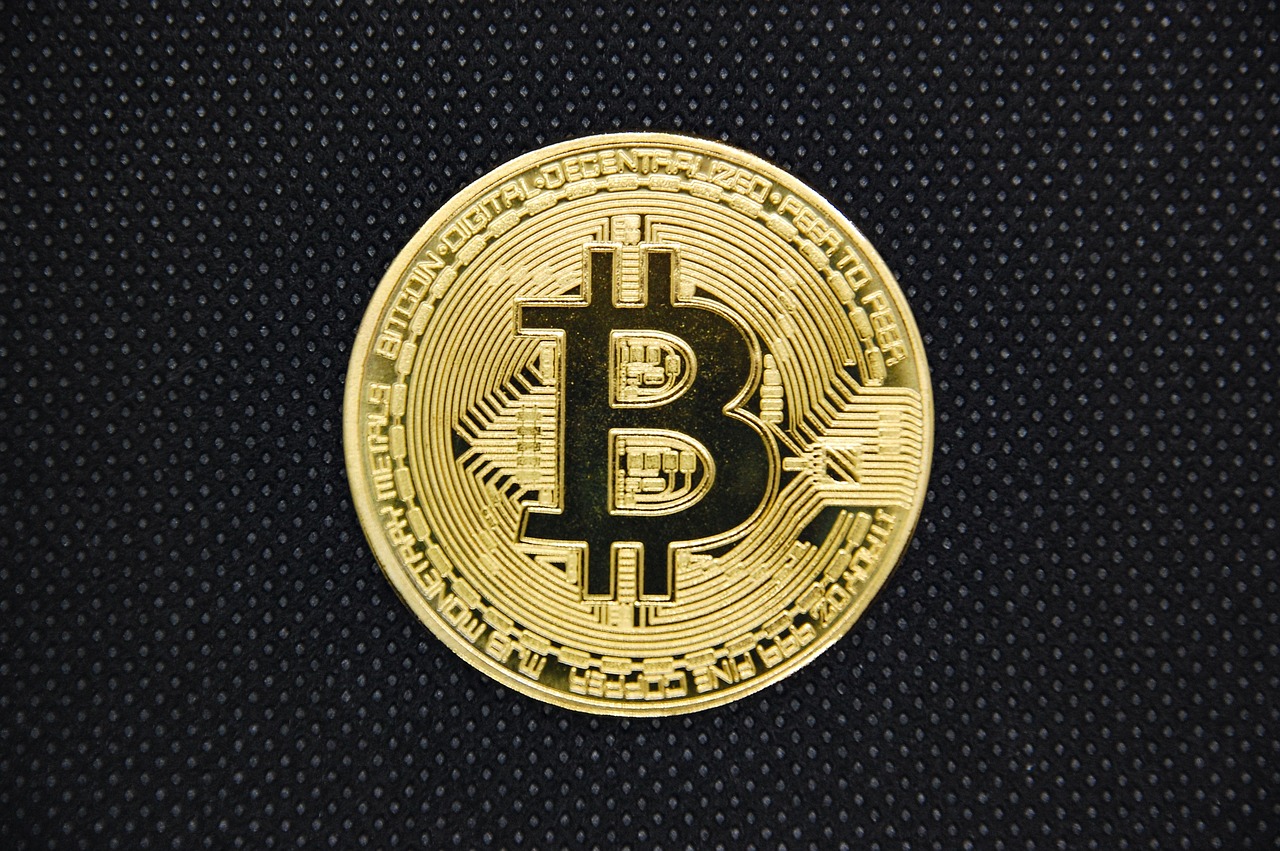

Janice Winston examines the current market conditions surrounding Bitcoin's investment viability in her analysis published on Thursday, January 22, 2026 at 03:56 AM.
Investing in Bitcoin has become a topic of heated debate among financial experts, investors, and novice traders alike. As the cryptocurrency landscape evolves, many potential investors are asking: is Bitcoin a good investment today? This article will examine Bitcoin’s current market position, its role in investment portfolios, and the various factors influencing its viability as an investment option.
Bitcoin and Its Market Position
Bitcoin is the first and most recognized cryptocurrency, introduced in 2009 by a pseudonymous entity named Satoshi Nakamoto. It operates on a decentralized network called blockchain, which ensures transparency and security of transactions. As of Q4 2023, Bitcoin has a market capitalization of approximately $600 billion, consistently ranking as the largest cryptocurrency by market value. In a period of heightened volatility, it experienced a year-to-date increase of 70%, highlighting its resilience and appeal to speculative investors.
This graphic is a conceptual representation of Bitcoin’s market position among other cryptocurrencies.
Investor Sentiment and Adoption Trends
Investor sentiment around Bitcoin has been affected by several macroeconomic factors, such as inflation rates, interest rates, and regulatory developments. In recent months, institutional adoption has surged. Prominent companies and investment funds are allocating portions of their portfolios to Bitcoin, citing its potential as a hedge against inflation and a store of value similar to gold. The latest data from industry audits show that over 40% of institutional investors surveyed expressed plans to invest in cryptocurrencies, particularly Bitcoin, in the coming year.
This image illustrates the growing trend of institutional interest in Bitcoin as an investment vehicle. The current market position of Bitcoin

The Tradeoff Analysis of Investing in Bitcoin
Investing in Bitcoin is not suitable for everyone. It carries inherent risks that every potential investor must consider.
First, those looking for stable, predictable returns might find Bitcoin’s volatility unmanageable. Price fluctuations can be severe, and inexperienced investors may suffer significant losses during downturns. Furthermore, Bitcoin investments may often lack the robust regulatory protections found in traditional financial markets, increasing exposure to fraud and market manipulation. Lastly, Bitcoin is not an optimal choice for those requiring liquidity, as selling large amounts can substantially impact market prices.
Bitcoin versus Traditional Investments
When comparing Bitcoin to traditional asset classes, several key differences emerge.
| Investment Type | Historical Performance | Liquidity |
|———————-|———————–|——————–|
| Bitcoin | Highly volatile, can offer significant returns over time | Variable, influenced by market dynamics |
| Stocks | Generally stable with potential for steady growth | Generally high liquidity, especially for large-cap stocks |
| Bonds | Fixed returns, lower risk, but limited upside potential | Highly liquid depending on the market and bond type |
Armed with these insights, investors can gauge the risks and benefits associated with Bitcoin in relation to traditional investment options. The role of Bitcoin in investment portfolios

Potential Benefits of Bitcoin Investments
Bitcoin’s appeal lies in several unique attributes. Its decentralized nature allows for peer-to-peer transactions without intermediaries, providing a sense of ownership and control. Additionally, its limited supply — capped at 21 million coins — can drive demand, potentially boosting prices as adoption increases.
Moreover, Bitcoin can function as a portfolio diversifier, even if investors possess heavy allocations to stocks and bonds. Studies have shown that small allocations to Bitcoin can enhance overall portfolio performance, reducing volatility and improving returns over the long term.
Investor Considerations
As potential investors ponder whether to include Bitcoin in their portfolios, they should weigh various factors that influence their decisions.
– Risk tolerance is paramount; those with a lower appetite for risk may avoid Bitcoin due to its unpredictability.
– Investment horizon matters; long-term investors may be more comfortable with Bitcoin’s inherent volatility than those seeking short-term profits.
– Understanding regulatory landscapes is crucial; changes in government policies can significantly impact Bitcoin’s value and usability.
Numbered Process List for Evaluating Bitcoin as an Investment:
1. Assess personal risk tolerance.
2. Determine investment timeline (short-term vs. long-term).
3. Research Bitcoin fundamentals, including technology and market dynamics.
4. Evaluate cryptocurrency’s role in a balanced portfolio.
5. Monitor market trends and regulatory news affecting Bitcoin. The various factors influencing its viability

Portfolio Impact and Diversification
Incorporating Bitcoin into an investment portfolio can serve as a diversification strategy. Its performance is often uncorrelated with traditional asset classes, providing the potential to hedge against economic downturns. By allocating a small percentage of a portfolio to Bitcoin, investors may achieve greater risk-adjusted returns, even in uncertain economic climates.
This visual represents the diversification potential of including Bitcoin in an investment portfolio.
The Outlook for Bitcoin as an Investment Today
Considering the current market conditions, Bitcoin presents both opportunities and challenges for investors. The positive momentum from institutional adoption, combined with its unique properties, makes it an intriguing investment. However, the volatility that characterizes Bitcoin requires strategic planning and risk management.
In summary, investors should conduct thorough due diligence and consider their financial goals before deciding whether Bitcoin is a suitable investment today.
As the cryptocurrency landscape continues to evolve, investors will need to adapt their strategies accordingly.
With the right insights and careful planning, Bitcoin can be a worthwhile investment for those adequately prepared to navigate its complexities.
How is Bitcoin classified as an investment compared to traditional assets like stocks or bonds?
Bitcoin is categorized as a cryptocurrency, a digital asset that operates independently of central banks and governments. Unlike stocks or bonds, which are often tied to company performance or government backing, Bitcoin's value largely derives from market demand and scarcity, leading to higher volatility and risk. However, this introduces tradeoffs that must be evaluated based on cost, complexity, or network conditions.
What factors should an investor consider when deciding whether to invest in Bitcoin today?
Investors should consider their risk tolerance and investment horizon, as Bitcoin can experience rapid price fluctuations. It's also crucial to evaluate regulatory developments in cryptocurrency markets, as changes in legal frameworks can significantly impact Bitcoin's value and accessibility compared to traditional securities. However, this introduces tradeoffs that must be evaluated based on cost, complexity, or network conditions.


