


Janice Winston's analysis on investment opportunities in cryptocurrencies has been updated as of Wednesday, January 21, 2026 at 10:29 PM, providing insights into favorable coins for potential investors.
When considering which cryptocurrency to invest in, it is essential to analyze several promising altcoins that have gained traction in the market. This comparison focuses on three popular options: Ethereum (ETH), Cardano (ADA), and Solana (SOL). By evaluating these coins, potential investors can make an informed decision that aligns with their financial goals and risk tolerance.
Ethereum (ETH) is the second-largest cryptocurrency by market capitalization and serves as a decentralized platform for smart contracts and dApps (decentralized applications). As a pioneer in the blockchain space, Ethereum has a robust ecosystem with numerous projects being built on its network. Its recent upgrades, such as Ethereum 2.0, aim to improve scalability and energy efficiency, enhancing its appeal for long-term investors.
![This image illustrates Ethereum’s smart contract functionality and network upgrades.]
Cardano (ADA) is recognized for its strong emphasis on research-driven development and security. Founded by one of Ethereum’s co-creators, Cardano employs a unique proof-of-stake consensus mechanism called Ouroboros, which is designed to offer energy efficiency and scalability. Cardano’s focus on academic rigor has led to a series of peer-reviewed papers, making it a scientifically backed project in the cryptocurrency space. Promising altcoins that have gained traction

![This visual represents Cardano’s research-driven approach and unique consensus mechanism.]
Solana (SOL) is notable for its high throughput and low transaction costs. With capabilities to process thousands of transactions per second, Solana is often considered a competitor to Ethereum and Cardano. The network’s architecture allows for efficient scalability, which has attracted developers and businesses looking for faster transaction times. Solana has gained popularity for hosting a variety of dApps, particularly in fintech and decentralized finance (DeFi).
![This graphic is a conceptual representation of Solana’s high throughput and transaction efficiency.]
The evaluation of these cryptocurrencies must consider specific criteria that delineate their strengths and weaknesses. Factors such as performance, security, cost, and usability directly impact how each coin fits within an investor’s portfolio strategy. This comparison focuses on three popular options
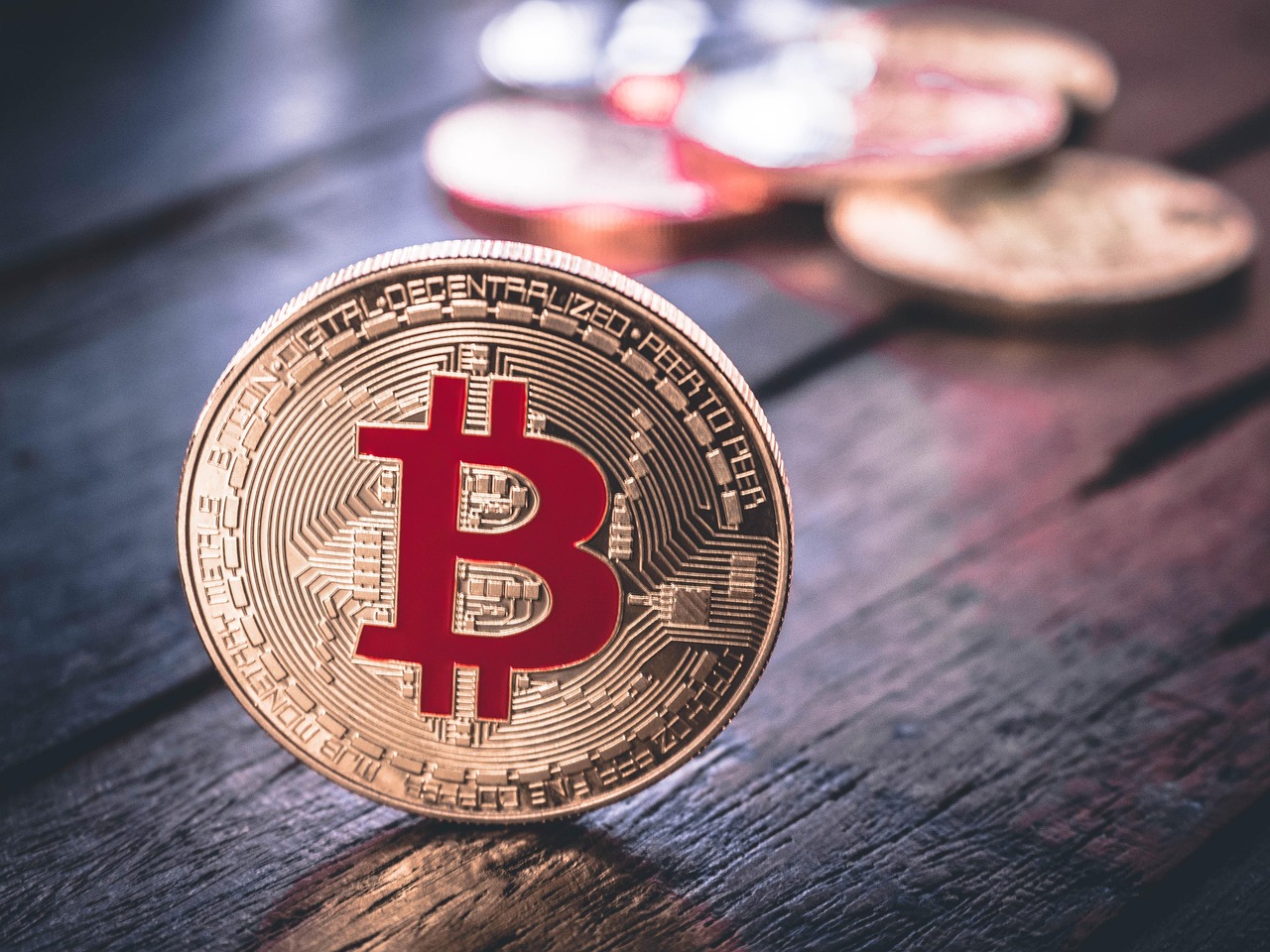
Ethereum’s established network means it is often viewed as a stable investment; however, it faces challenges in terms of scalability due to high gas fees during peak usage times. Cardano, while promising, has yet to fully capitalize on its potential user base compared to Ethereum, though it may appeal to individuals looking for a long-term investment rooted in research and sustainability. Solana offers speed and efficiency, but its rapid transaction growth can lead to concerns about network stability and security, particularly during network congestion.
The tradeoffs to consider when evaluating which cryptocurrency to invest in include the following insights:
1. Ethereum is ideal for investors seeking a well-established ecosystem, but high transaction fees can inhibit smaller transactions, making it less accessible for new investors.
2. Cardano’s methodical approach to development may yield steady growth, yet the lack of a fully realized ecosystem can delay short-term profits.
3. Solana’s focus on speed makes it attractive, but potential investors must weigh the inherent risks of newer technology, including susceptibility to outages and security breaches.
Investors considering a good coin to invest in must navigate these tradeoffs and align their choices with personal financial goals and risk tolerance. Make an informed decision that aligns with financial goals

To streamline the decision-making process regarding these cryptocurrencies, it can be helpful to use a structured evaluation framework that highlights key attributes.
1. Define investment goals.
2. Research market trends and data.
3. Assess project fundamentals and team background.
4. Analyze performance metrics over time.
5. Evaluate community support and developer activity.
6. Read expert analysis and reviews.
7. Monitor regulatory compliance.
8. Compare transaction speeds and costs.
9. Identify potential risks and vulnerabilities.
10. Make a final decision based on comprehensive analysis.
| Criteria | Ethereum (ETH) | Cardano (ADA) | Solana (SOL) |
|——————-|———————————|——————————|—————————–|
| Market Cap | > $200 billion (as of 2023) | > $10 billion (as of 2023) | > $8 billion (as of 2023) |
| Transaction Speed | 30 TPS (Transactions Per Second) | 250 TPS | 65,000 TPS |
| Consensus Mechanism| Proof of Stake | Proof of Stake (Ouroboros) | Proof of History |
A complete comparison of these altcoins points to distinct advantages and challenges inherent to each option. Given the ever-evolving nature of the cryptocurrency landscape, it’s vital for investors to remain informed through continuous research and adaptation.
The clear differences in cost structure, usability, and performance across Ethereum, Cardano, and Solana paint a vivid picture of the tradeoffs investors must consider. Ethereum offers the most significant developer support but can incur high costs. Meanwhile, Cardano and Solana present lower transaction fees but come with varying degrees of risk and uncertainty in their adoption and stability.
In summary, determining “what is a good coin to invest in” relies on balancing long-term vision against contemporary market dynamics. Balancing these variables will help investors make informed and confident choices tailored to their investment strategy.
Key Takeaways
- Bitcoin is often compared to gold due to its scarcity and use as a store of value, making it a popular choice among investors looking for long-term stability.
- Ethereum differs from Bitcoin by offering smart contract functionalities, which can appeal to investors interested in decentralized applications and innovation within the blockchain space.
- Stablecoins provide price stability by pegging their value to traditional currencies or assets, making them suitable for risk-averse investors or those seeking to avoid market volatility.
What factors should I consider when evaluating different cryptocurrencies for investment?
Key factors include market capitalization, historical price volatility, use cases, and the underlying technology of the coin. Higher market cap coins like Bitcoin tend to be more stable, while smaller coins may offer higher return potential but come with increased risk. Assessing the development team and community support can also influence the decision.
How do cryptocurrencies like Bitcoin and Ethereum differ in their applications?
Bitcoin primarily functions as a store of value and medium of exchange, whereas Ethereum enables smart contracts and decentralized applications. This difference means Bitcoin is often viewed as a digital gold, while Ethereum offers more versatility but may introduce complexities like gas fees for transactions, impacting usability.
How do newer cryptocurrencies compare to established ones like Bitcoin and Ethereum in terms of potential returns?
Newer cryptocurrencies may present higher potential returns due to their untested nature and lower market penetration, but they also carry substantial risks of failure or exploitation. Established coins usually have more robust ecosystems, while new entrants might offer innovative features but lack a proven track record and community trust.


